Potato Gnocchi with Sage Butter Recipe
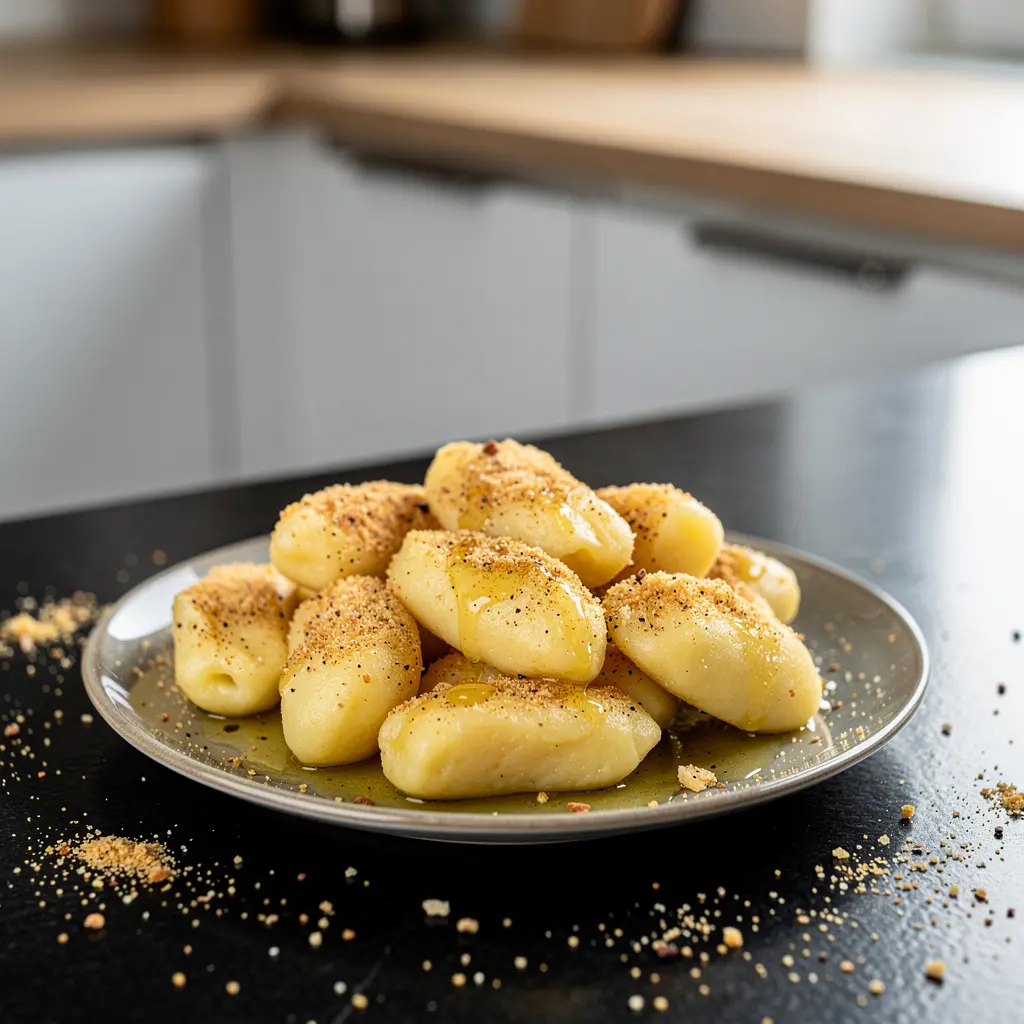
Gnocchi are soft Italian potato dumplings, something between Polish kopytka and lazy dumplings. In this version they’re served with a simple but very aromatic sage butter. It’s a classic dish from northern Italy, perfect for a family meal.
Potato gnocchi with sage butter combine the soft, pillow-like texture of the dumplings with the nutty aroma of browned butter and the intense fragrance of sage. It’s a dish from northern Italy, where in winter people look for hearty meals that are still simple and based on just a few ingredients.
Chef's tips
Always press cooked potatoes through a ricer while they’re still warm and let them steam off a bit – this makes the dough lighter and it will take up less flour. Add the flour gradually, only as much as needed for the dough to stop sticking; too much flour means hard, rubbery gnocchi. The dumplings are done when they float to the surface and cook for another 30–40 seconds – no longer, or they will fall apart.
How to serve
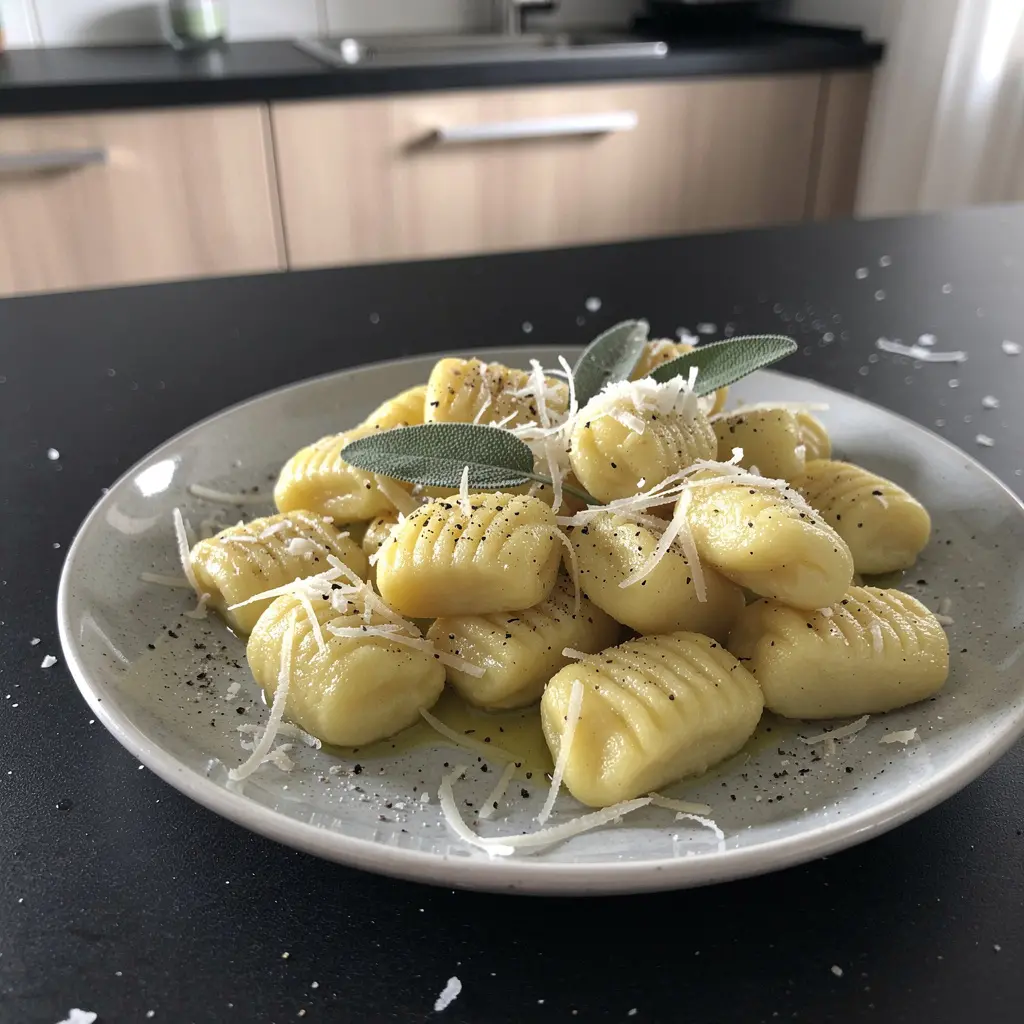
Serve the gnocchi immediately after tossing with the sage butter, sprinkled with freshly grated Parmesan and a little pepper. They pair beautifully with a light white wine, such as Pinot Grigio, or simply a glass of dry cider for a Sunday lunch. As a side, you can serve a simple mixed-leaf salad with a lemon vinaigrette to cut through the buttery richness.
Ingredients
- starchy potatoes (e.g. for mash) weight before cooking - 800 g
- flour plus a little extra for dusting - 200 g
- egg yolk - 1 piece
- salt for the dough and the cooking water
- butter - 80 g
- fresh sage leaves or 1 teaspoon dried - 10 piece
- grated Parmesan for serving - 40 g
- freshly ground black pepper to taste
Preparation
- Wash the potatoes thoroughly and cook them in their skins in salted water until tender when pierced with a fork (about 20–25 minutes, depending on size). Drain and set aside for a few minutes to steam off.
- While the potatoes are still warm but cool enough to handle, peel them. Press through a potato ricer or mash very thoroughly so there are no lumps. Leave to cool completely – this is important so the dough doesn’t become too sticky.
- On a board or work surface, spread out the flour, add the cooled potatoes, egg yolk and a pinch of salt. Gently knead the dough just until the ingredients come together. If it’s very sticky, add a little more flour, but try not to overdo it – the less flour you use, the softer the gnocchi will be.
- Divide the dough into 4 portions. Roll each into a rope about 2 cm thick, dusting lightly with flour. Cut the rope into pieces about 2 cm wide to form small dumplings.
- If you like, you can give the gnocchi a classic pattern: gently press each piece with a fork, rolling it along the tines – this helps the sauce cling better.
- Bring a large pot of well-salted water to a boil. Add the gnocchi in batches, stirring gently so they don’t stick to the bottom. Cook until they float to the surface, then for another 1–2 minutes. Lift out with a slotted spoon onto a plate.
- Meanwhile, prepare the sage butter: in a large pan melt the butter over medium heat. Add the sage leaves and fry for 2–3 minutes, until the butter starts to foam lightly and develops a nutty aroma, and the sage turns crisp but not burnt.
- Add the cooked gnocchi to the pan with the sage butter. Gently toss the pan or very carefully stir so the dumplings are coated with the butter.
- Serve immediately, sprinkled with grated Parmesan and freshly ground black pepper.
Storage
Uncooked gnocchi can be frozen on a tray, then transferred to a bag or container and cooked from frozen in boiling salted water. Cooked gnocchi are best eaten fresh, but you can reheat them gently in a pan with a little butter the next day.