Crostata with Ricotta, Honey and Lemon Recipe
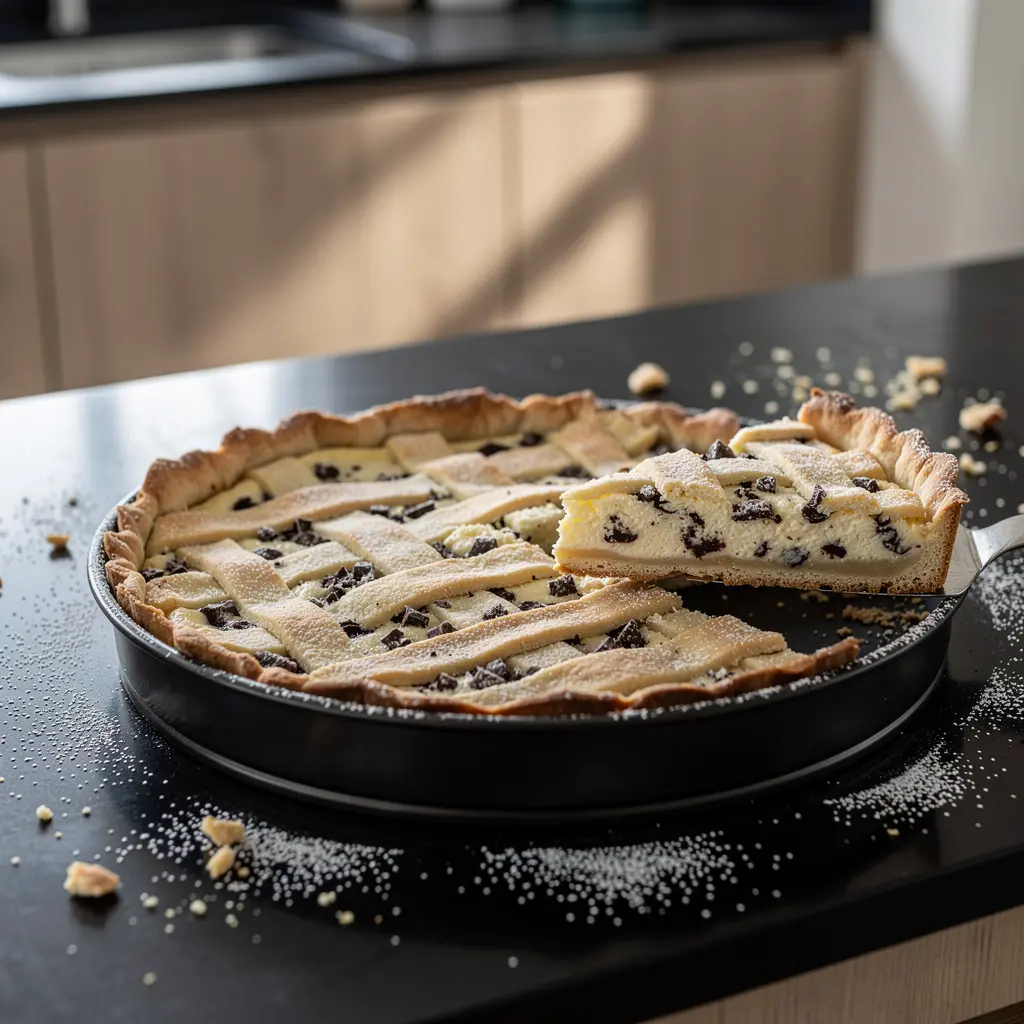
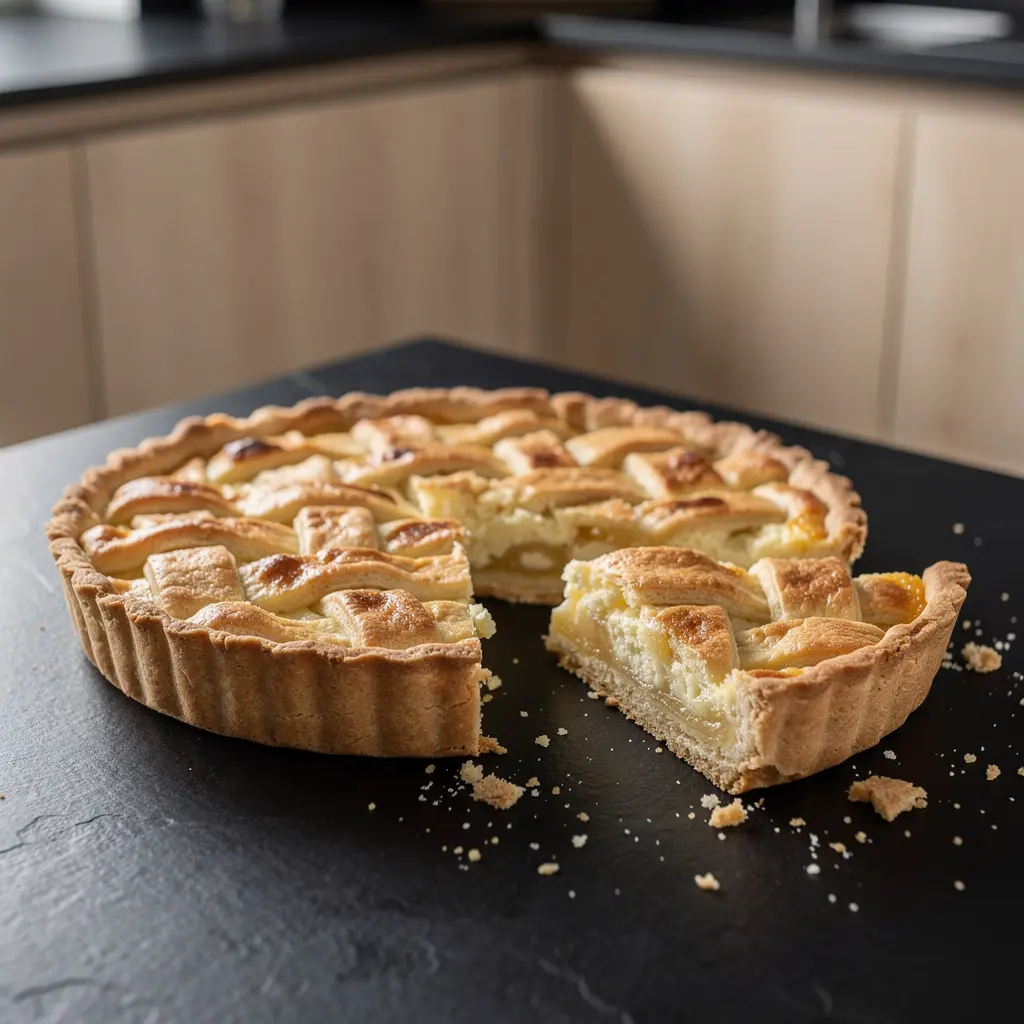
This crostata is an Italian tart with a delicate ricotta filling flavored with lemon and honey. It’s less sweet than typical cakes, so it works perfectly both with an afternoon coffee and as breakfast on a lazy weekend. In Italy, bakes like this often sit on the kitchen counter and everyone cuts themselves a slice throughout the day.
This crostata combines a crisp, buttery base with a light ricotta cream scented with lemon and honey, which is noticeably less sweet than typical Polish cheesecakes. Thanks to the lemon, the dessert has a fresh, almost breakfast-like character, and the honey gives it a delicate, floral sweetness instead of heavy sugariness. It’s a bake in a typically Italian style – more for everyday nibbling than for a grand celebration.
Chef's tips
Knead the shortcrust pastry only until the ingredients come together – overworking it will make the base hard instead of delicately crisp. It’s worth pushing the ricotta through a sieve or blending it thoroughly so the filling is silky and free of lumps; add the honey gradually, tasting as you go so you don’t oversweeten the mixture. Let the tart cool well before slicing, and ideally chill it in the fridge for an hour – that way you’ll get neat, even pieces more easily.
How to serve
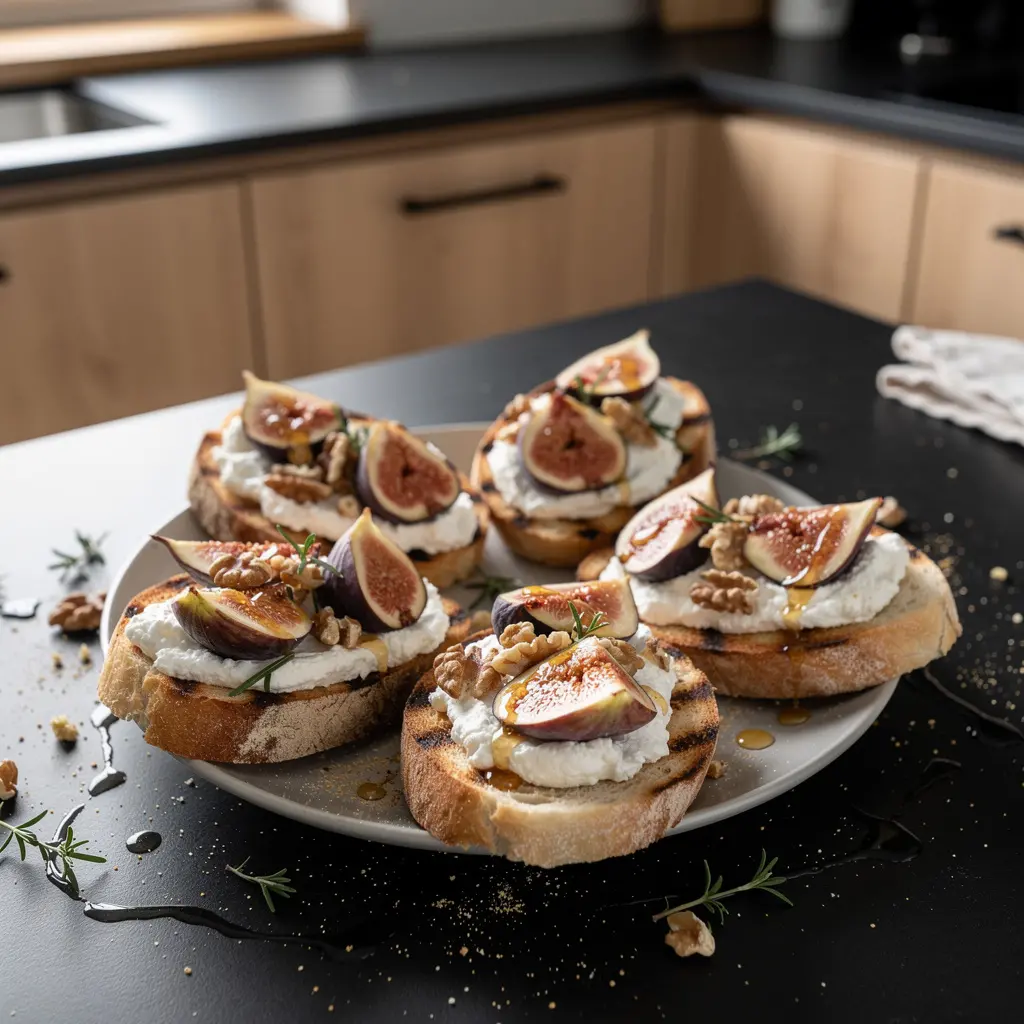
This crostata tastes wonderful with a strong espresso or cappuccino, especially as a late Sunday breakfast. For dessert you can serve it with a few fresh fruits – raspberries, strawberries or slices of fig that will highlight the honey notes. It’s also a great bake for office “sweet Fridays” – easy to pack and cut into small portions.
Ingredients
- flour type 450–550 - 300 g
- butter cold, cut into cubes - 150 g
- sugar - 80 g
- egg for the dough - 1 piece
- egg yolk for the dough - 1 piece
- ricotta cheese well drained - 400 g
- honey about 4 tablespoons - 80 g
- sugar for the filling - 40 g
- lemon zest grated from a well-washed lemon - 1 teaspoon
- lemon juice freshly squeezed - 2 tablespoons
- vanillin sugar or vanilla extract - 1 teaspoon
- pinch of salt for the dough
Preparation
- Prepare the shortcrust pastry: put the flour, powdered sugar and a pinch of salt into a bowl. Add the cold butter cut into cubes.
- Rub the butter into the flour with your fingertips or a pastry cutter until you get fine crumbs resembling wet sand.
- Add the egg and egg yolk. Quickly knead the dough by hand just until the ingredients come together. If it is very dry, add 1 tablespoon of cold water.
- Form the dough into a ball, flatten it into a disk, wrap in cling film and chill in the fridge for at least 30 minutes.
- Preheat the oven to 180°C (top and bottom heat). Lightly grease a tart tin about 24–26 cm in diameter with butter or line it with baking paper.
- Transfer the ricotta to a bowl, add the honey, sugar, lemon zest and juice, and the vanillin sugar. Mix thoroughly with a spoon or on low speed with a mixer until the mixture is smooth and uniform.
- Take the chilled dough out of the fridge. Set aside about 1/4 of the dough for the lattice strips on top, and roll out the rest between two sheets of baking paper to a thickness of about 3–4 mm.
- Transfer the dough to the tin, pressing it into the base and sides. Trim off any excess dough. Prick the base with a fork in several places.
- Pour the ricotta mixture onto the base and smooth the surface.
- Roll out the reserved dough into a thin sheet and cut it into strips. Arrange the strips over the filling in a lattice pattern.
- Place the tart in the preheated oven and bake for 35–40 minutes, until the pastry is golden and the filling is lightly set and springy to the touch.
- Remove the crostata from the oven and let it cool completely before slicing – the filling will firm up and it will be easier to cut neat pieces.
Storage
Store leftover crostata covered at cool room temperature if it’s not too hot, or in the fridge if the room is warm. Consume within 2–3 days; the base will gradually soften but will still taste good. Bring chilled slices to room temperature before serving for the best texture and flavor.